

Culinary Medicine
Empowering Future Healthcare Providers through Medical Nutrition Education
Touro University College of Osteopathic Medicine demonstrates its commitment to medical nutrition education by providing more than 40 hours of required instruction integrated across all four years of the undergraduate medical curriculum, exceeding federal benchmarks.
Our Curriculum
Curriculum Structure
- Over 40 hours of nutrition education delivered via online modules and five summative culinary medicine events during pre-clinical years.
- Clinical-year reinforcement of nutrition competencies through core rotations, with students applying counseling, screening, and whole-person nutrition principles in diverse clinical settings.
Key Features
- Dynamic, interactive sessions paired with hands-on cooking labs that bring nutrition science to life.
- Evidence-based nutrition counseling integrated with practical strategies for disease prevention and patient-centered care.
- A strong emphasis on whole-person care, reflecting osteopathic principles and addressing physical, social, and behavioral determinants of health.
Timeline of Integrated Nutrition Topics
| Year | Integrated Nutrition Topics |
|---|---|
| OMS 1 | Year 1 | |
| Integrated Systems – Fundamentals of Medicine (Fall) | Carbohydrates, Fats, Proteins, Cancer |
| Integrated Systems – Cardiovascular, Respiratory, and Renal (Spring) | Food Safety & Sanitation, Weight Management, Congestive Heart Failure, Hypertension, Anti-inflammatory Diet, FOODs Modules |
| OMS 2 | Year 2 | |
| Integrated Systems – Neurology, Psychiatry, Musculoskeletal Medicine, Dermatology (Fall) | Food & Neurocognition, Eating Disorders, Mindfulness & Motivational Interviewing, Sports Medicine |
| Integrated Systems – Gastrointestinal, Endocrine, and Reproduction; Osteopathic Doctoring 4 (Spring) | IBS/IBD/GERD, Celiac Disease, Pediatric Diet, Nutrition in Pregnancy, Food Allergy and Intolerance, HIV Nutrition, PCOS, SNAP & WIC Programs, Food Banks & MTMs, Older Adults, Geriatrics |
| OMS 3-4 | Years 3-4 | |
| Clinical Rotations | Applying Whole‑Person Care, Dietary and Risk Screening, Nutrition Counseling, Food‑Based Strategies for Prevention and Chronic Disease Management, Collaboration with Interprofessional Teams, Connecting Patients to Resources and Support |
Competency Framework
Aligned ACGME foundational competencies, UME nutrition competencies, and the Department of Health and Human Service’s Medical Education Nutrition Competency Framework, including
- Evidence-Based Nutrition Counseling
- Food Insecurity Screening & Referral
- Practical Culinary Skills for Clinical Application
- Behavior Change & Communication
- Whole-Person Care & Interprofessional Collaboration
Coming soon 2026-2027
Additional required medical nutrition education hours will be added to the clinical years, above and beyond nutrition objectives in core rotations.
Student Experience and Community Impact
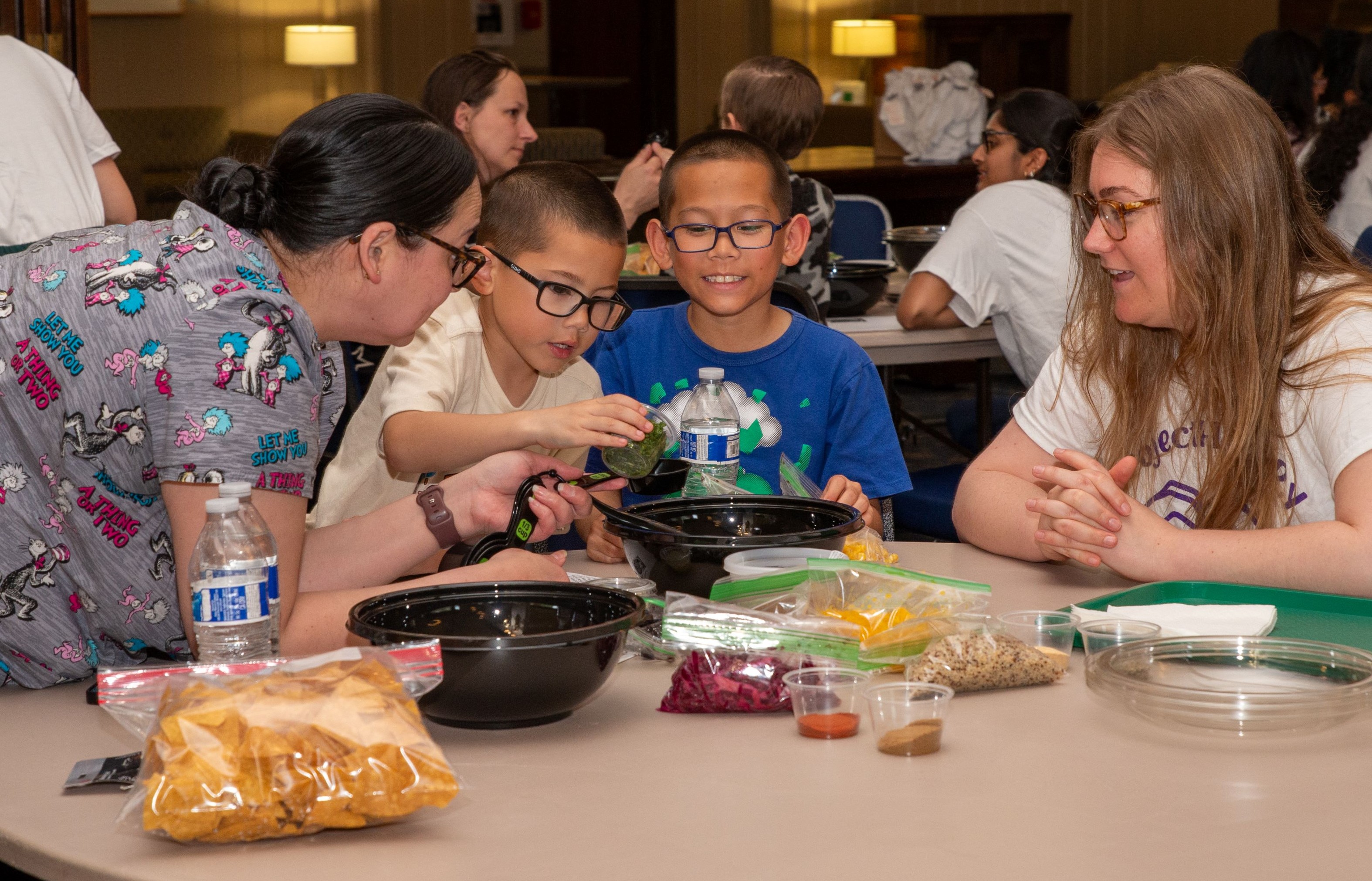
Through partnerships with local organizations and student-led outreach events, TUC’s community-based nutrition programs also help address food insecurity and promote healthy eating habits in the local community.
- Mobile Diabetes Education Center
- Project Happy
- Student Run Free Clinic
- Street Medicine
- California COOKS
Faculty Champions
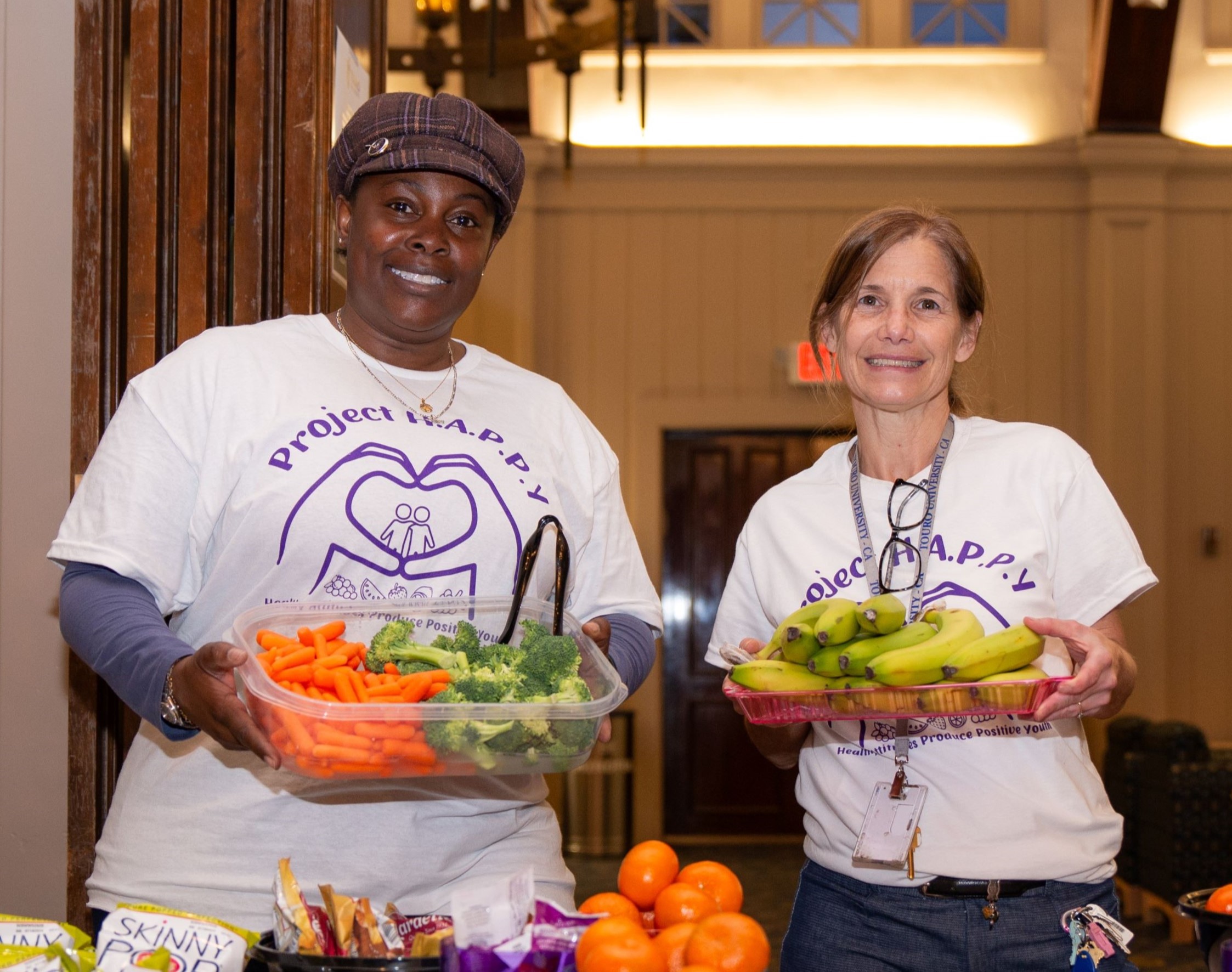
Dr. Grace Marie Jones, PhD & Dr. Traci Stevenson, DO
Our faculty champions lead the way in culinary medicine, combining nutrition science and hands‑on culinary teaching to inspire learners and advance patient‑centered, food‑based care.
Special Thanks
Special thanks to Rabbi Tenenbaum, Chef Ray Nottie and Sous Chef Lauren Patrick for their support of Culinary Medicine at TUC.