
The Give of Mentorship
Dr. Shane Desselle awarded grant from the Pharmacy Technician Certification Board
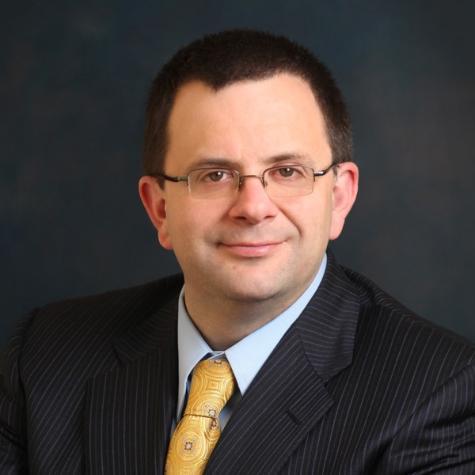
Dr. Shane Desselle, Professor at the Touro University California College of Pharmacy (TUCCOP), was awarded a research grant from the Pharmacy Technician Certification Board (PTCB) on developing a mentorship program for Certified Pharmacy Technicians (CPhTs). This is not only a win for TUCCOP and Dr. Desselle, but a signal that the pharmacy profession is ready for a cultural shift.
A National Vision
While focusing on a nationwide program, the conversation at TUC is already diving deeper. Speaking with Dr. Desselle and Pharmacy students, it’s clear that mentorship isn’t just a ‘nice-to-have', rather it’s the backbone of a sustainable healthcare career.
The grant from PTCB serves as the jumping off point for a vital mission within healthcare. Providing pharmacy technicians, the often-unsung engines of the pharmacy, with the same professional guidance and career mapping historically only reserved for pharmacists.
As Dr. Desselle expands upon the history of pharmacy and background behind this grant, he reflects his experiences starting over 20 years ago as the pharmacy profession started to evolve. “We wanted Pharmacists practicing at the top of their license by expanding scope of practice, being more engaged with their patients, leading public health services, and spending less time with the dispensing and administrative functions that pharmacists are saddled with.”
Dr. Desselle continues, “While these aspirations are great and needed, those original duties still needed to be done. Seemingly nobody was asking the question of who was going to be the one to do these tasks... It’s pharmacy technicians!”
To understand the importance of this new grant, we must look back at Dr. Desselle’s foundational work. In 2018, he published an article "Pharmacy Technicians Are People, Too! Let’s Consider Their Personal Outcomes Along With Other Pharmacy Outcomes."
In that research, Dr. Desselle argues that for too long, the industry focused only on "organizational outcomes", things like dispensing speed and administrative accuracy.
By implementing a structured program that can be accessed nationwide, the goal is to reduce burnout, increase retention, and help technicians see themselves as vital, lifelong healthcare professionals through mentorship.
The Anatomy of Effective Mentorship
The dialogue then shifted from the mechanics of the grant to the philosophy of the mentor process. Effective mentorship, as Dr. Desselle describes it, isn’t a one-way street of instruction. In reality, it’s a dynamic relationship built on the pillars of psychological safety, professional identity, and reciprocity. By creating a space where both mentors and mentees can learn about modern challenges and gain institutional wisdom, this often allows for relationships that last a lifetime.
TUCCOP PharmD candidates, Ahmed Shariff and Shawna Casias both had fond memories of their past mentorship experiences.
Shariff mentions that mentorship is more than just telling people what to do to get the job done. It’s that relationship and network you’re able to build. “Touro University California has a nice program prior to us starting the pharmacy program four years ago. Upperclassmen reach out to students prior to start. Luckily, I had a mentor that was great and we’re still friends! He helped me through the hardest parts of pharmacy school, especially when things aren’t what you’re used to.”
“Having a mentor helped me in a big way and got me to where I am today” Shariff said.
Casias then explained how she used to work with the elderly and how she saw mentorship as more helpful to her mental health. Her mentor gave her the platform to be able to share her feelings about issues that they both were experiencing in this line of work. This allowed them to not only discuss the challenges they faced together, but to also form an action plan on how to tackle them.
“That helped me stay at that job for so long because I was about to leave, but my mentor helped to create a collaborative relationship between us two. I ended up staying there for 20 years,” Casias explained.
A Simple Truth
Dr. Desselle and his team are currently in the beginning stages of drafting and pitching this program for the future of CPhTs. This work provides evidence that when we invest in the person, the professional outcomes follow naturally. Honoring the human connection and the powerful realization that we are all better when we have someone walking beside us.