Students Tackle Real-World Barriers
TUC Bridge Gaps During Spring Student Engagement Conference
Touro University California welcomed transformative energy as students gathered for the Spring Student Engagement Conference. Moving beyond the traditional classroom setting, the event challenged future practitioners to step out of their comfort zones and into the lived experiences of the communities they will one day serve.
The day’s programming was spearheaded by the office of Campus Engagement and Community Affairs (CECA). Led by Dr. Mark Gaines, Associate Director of CECA, the sessions were designed to challenge students to look beyond the clinical and embrace the human side of their future professions.
The conference offered a shift from theory to practice, focusing on the human elements of care including accessibility, communication, and resilience. Throughout the day, students were guided through a series of interactive workshops, immersive role-playing scenarios, and expert-led discussions.
Technical expertise in medical education is only half the battle. Healthcare professionals can’t fully advocate for a patient or student until you understand the invisible walls they navigate daily whether they are physical, linguistic, or psychological.
In addition to ‘walking in patients’ shoes”, the ability to have students from different programs tackle these issues together prepares them for the real-world team approach to service.
New Perspectives
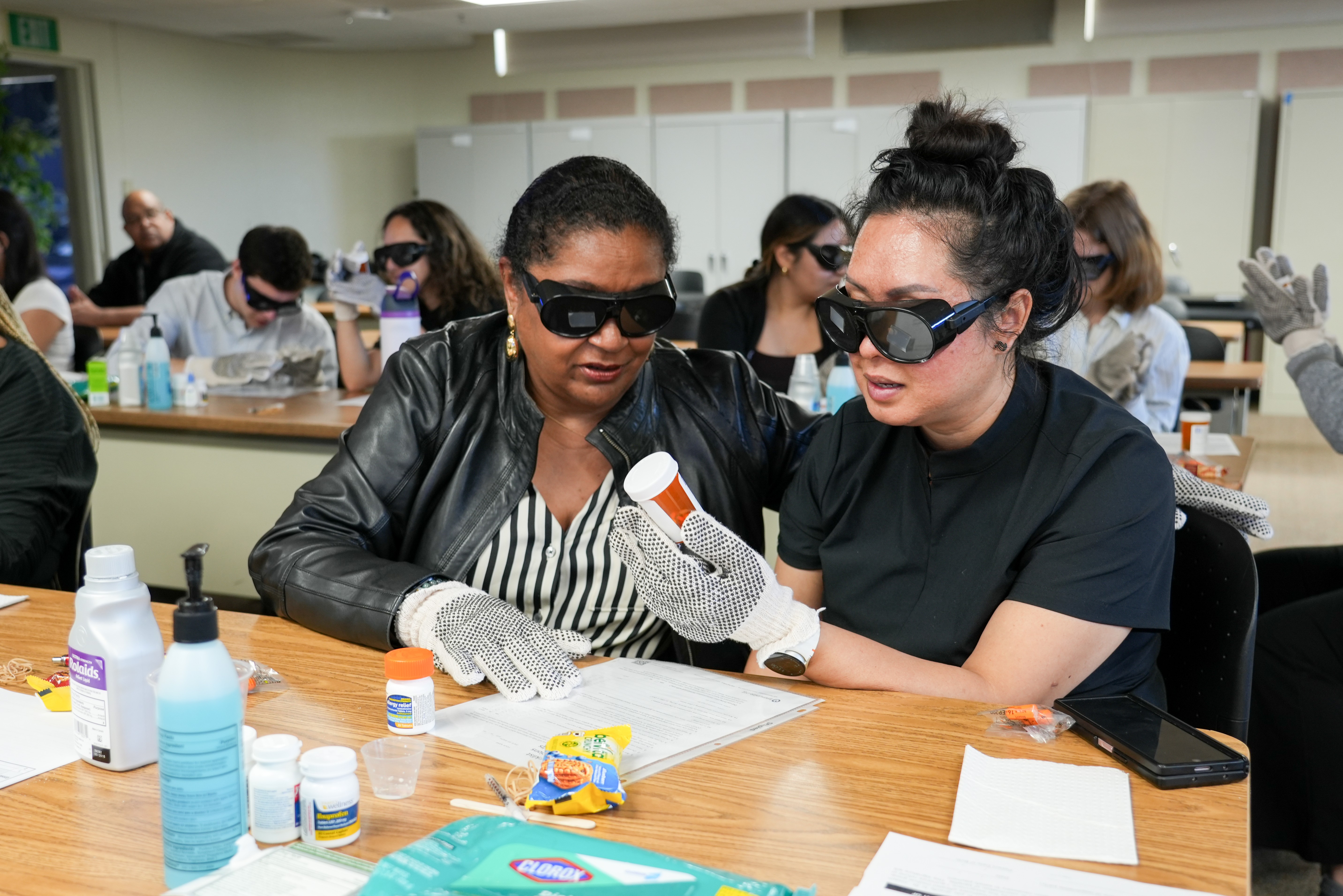
One of the impactful sessions of the day was the "Hearing, Vision, and Mobility Disability Simulation," led by Dr. Shane Desselle and Dr. Terri Wong.
Rather than simply discussing accessibility, students engaged in immersive exercises designed to mimic the physical and sensory hurdles faced by individuals with disabilities. By navigating Farragut Inn with simulated impairments, participants gained a visceral understanding of the systemic barriers that exist in healthcare settings and the vital importance of inclusive thinking.
Seth Katzman (MSMHS Class of 2026) attended the conference and reflected on these simulated exercises. “One specific activity was when I had goggles on with lenses simulating retinal detachment. I spilled a good amount and could not pour the correct dose, with the bulk of the room also either over or under pouring the required dose.”
Katzman continued, “So not only do I feel I have a better understanding of the sensory impairments discussed, but also the downstream difficulties that come with them... I felt it was very beneficial towards my understanding of patient care for those with physical disabilities.”
Beyond Translation
Communication is the foundation of effective care, but it remains a significant barrier for many people. Language expert Berta Bejarano led a session on Language Service and Access, emphasizing that true equity requires more than just a literal translation.
Bejarano guided students through the complexities of cultural competency and the ethical necessity of professional interpretation, highlighting how the right words can transform a patient’s experience from confusion to trust.
The Path to Healing
The conference concluded with a powerful presentation on Trauma-Informed Care and Resilience by Dr. Aparna Kota. In a field where providers often meet people at their most vulnerable, Dr. Kota’s session provided a framework for recognizing the long-term impact of trauma on health and behavior.
The discussion focused on fostering resilience in both patients and providers, teaching students how to create a safer, more supportive environment for long-term healing.
The Spring Student Engagement Conference proved to be a day of growth for students. Leaving with a sharpened sense of empathy and a clearer vision of what it means to be a truly patient-centered leader.