
Research Seeks to Stop the Sugar Rush
A Groundbreaking New Study from Renowned Researcher and Touro University California Professor Could Help Prevent Chronic Conditions and Save Countless Lives
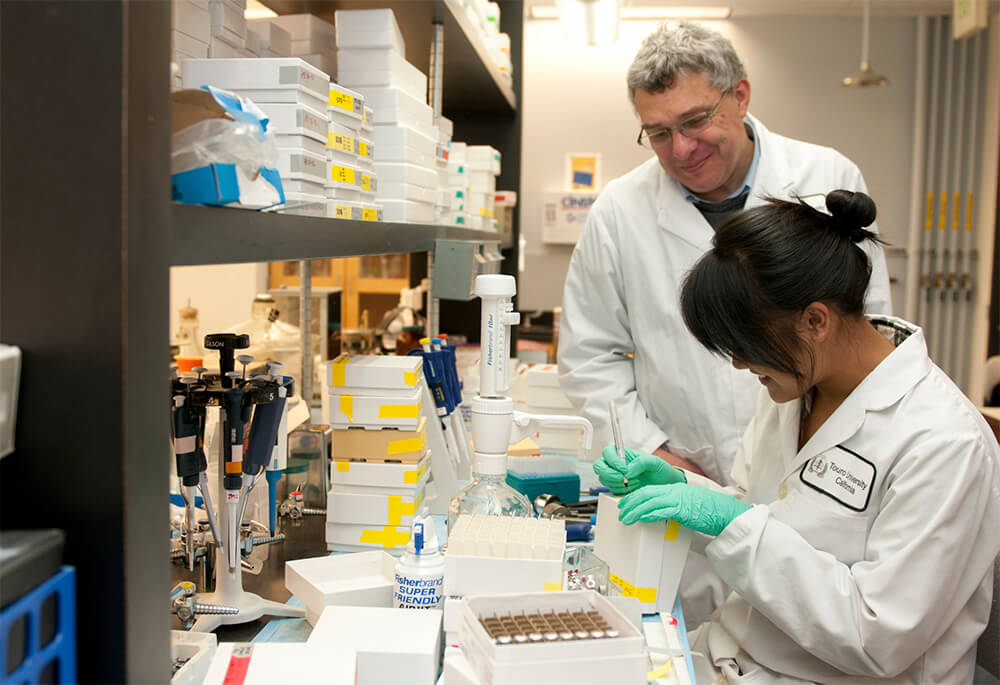
Most people know that eating too much sugar can be bad for your health. Now, NIH-funded research from Touro University California has shown that fructose – particularly from processed foods – can cause liver problems that lead to chronic diseases like diabetes, fatty liver disease and cardiovascular disease.
Fructose is a type of sugar that occurs naturally in fruit and is also added to processed foods in the form of high fructose corn syrup. In fact, over 40% of caloric sweeteners added to processed foods come from high fructose corn syrup, and it can be found in everything from soft drinks and candy to breakfast cereals, canned soups, fruit juice and packaged cookies and crackers.
Consuming high fructose corn syrup has been connected to obesity, which affects 42% of Americans, as well as cardiovascular disease, which kills one American every 33 seconds. With the new findings from this research, consumers now know for certain that limiting fructose from processed food may help them to avoid chronic disease and live longer, healthier lives.
Overview of NIH Grant-Funded Research
The study was funded by a $2.86 million grant from the NIH and led by Dr. Jean-Marc Schwarz, professor at Touro University California College of Osteopathic Medicine (TUCOM) and director of the Touro Metabolic Research Center and Core Lab. Dr. Schwarz has been highly recognized for his research involving how fructose impacts the body and has conducted multiple studies in collaboration with UCSF and UC Davis.
By meticulously tracking the processing of fructose molecules by various organs and tissues, Dr. Schwarz and his team have discovered that fructose metabolism overloads the liver, triggering a dangerous rise in blood lipids, liver fat and visceral fat.
“These elevated lipids are a ticking time bomb, leading to chronic diseases like fatty liver disease, diabetes and cardiovascular disease – the leading killer in the U.S.,” Dr. Schwarz says.
The team also learned that the body responds differently to the naturally occurring fructose found in fruit than it does to the added fructose in processed foods.
“Fructose from fruit is delivered in a different way, so there’s no ‘tsunami effect’ or sugar rush, especially to the liver,” says Dr. Schwarz. “It’s the added fructose from processed food that’s the major problem.”
Research Seeks to ID Sugar, Lipid Metabolism Link
One of the key goals of this research is to identify the connection between sugar and lipid metabolism and to establish a causal link with diseases.
“We already know that the less processed food you have, the better off you are, but implementing that is difficult for physicians,” he says. “Touro University California puts an emphasis on providing students with a strong nutritional background, and we teach them about metabolic pathways. They need this knowledge so they can provide good patient recommendations based on science.”
Dr. Schwarz also notes that working at Touro has enabled his research to thrive.
“Being in a smaller university that’s fairly young in California has given our team the ability to brainstorm and work together in different ways, and there’s been a lot of support for our research,” he says. “With both teachers and researchers, it’s a friendlier environment. We also were able to develop a lab and a metabolic research center, and that has been a really fantastic journey. It’s been very satisfying.”
Focus for Continued Study Shifts to Intestines
Next, Dr. Schwarz, along with Dr. Grace Jones, associate professor at TUCOM, and their team aim to explore how fructose can be processed by the intestines, which may provide more insight into how the gut can protect the liver from fructose overload. It’s another opportunity for Touro research teams to break new ground that will create a healthier tomorrow for everyone.